
SIL in Werribee: finding a supported home in Melbourne’s west
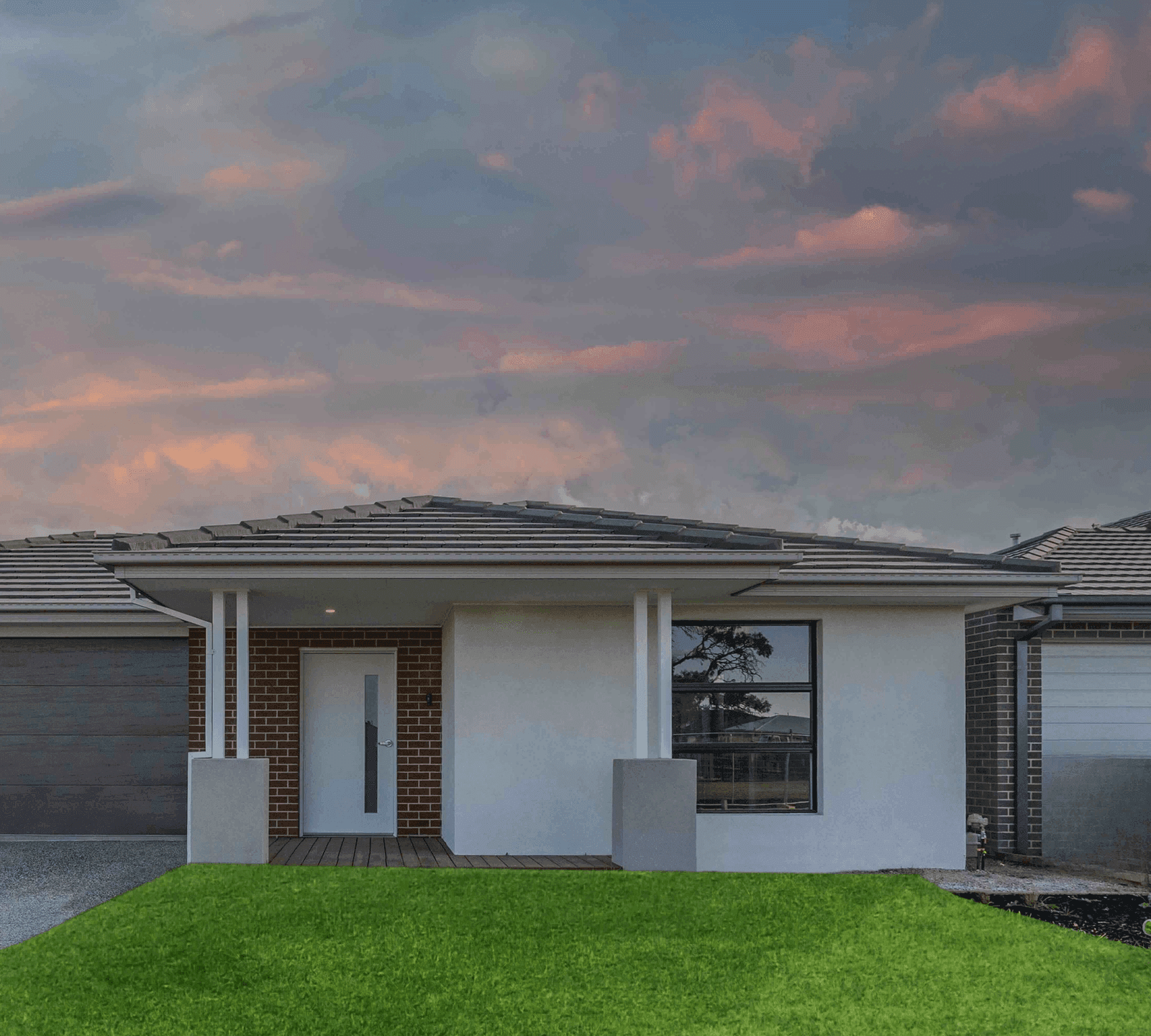
Finding a Supported Independent Living (SIL) home in Werribee comes down to four things lining up: SIL funding in your NDIS plan, a provider registered to deliver it, a vacancy in a house built for your access needs, and housemates you get on with. The first three can usually be sorted out on paper in a few weeks — the fourth is what decides whether a home lasts, and it is worth taking your time over.
This guide is for participants and families looking at supported accommodation in Werribee and the wider Wyndham area. It covers what SIL pays for, what exists locally, how to check a provider before you commit, and the questions worth asking when you walk through a house.
What SIL pays for — and what it does not
SIL funds the people who assist you, not the house you live in. It covers the support you need to live in a shared home: help with cooking, personal care and medication, getting ready in the morning, running the household, and support or supervision overnight where that is part of your assessed need. It does not pay your rent, your board, your food or your utility bills.
The dwelling is funded separately. Specialist Disability Accommodation (SDA) pays for a home that has been built or modified for people with very high support needs — reinforced walls and ceiling hoist provision, wider circulation space, or a layout designed to reduce noise between bedrooms. A participant can be funded for SIL without SDA, and for SDA without SIL. Keeping the two apart in your head matters later on: because they are funded separately, you can change who supports you without changing where you live.
The NDIA republished its SIL and SDA operational guidelines on 31 July 2026. The agency was clear that the rewrite clarifies existing policy rather than changing it, but the new SIL guideline explains more plainly how funding decisions are made, what evidence is needed, and which supports sit inside SIL and which do not. If you are preparing a request this year, that is the document to read alongside the NDIA’s page on what supported independent living is.
Why Werribee works for supported living
Werribee is the established heart of Melbourne’s outer west, and for supported accommodation that maturity counts. Werribee Mercy Hospital sits in the suburb itself, with a dense network of specialists and allied health around it — which matters if you have regular appointments or a treating team you would rather not leave behind. Pacific Werribee is the largest shopping centre in the west, and the Watton Street strip in the old town heart gives you somewhere to go that is not a shopping centre.
Werribee station is the terminus of its metro line, so trains start there rather than arriving full, and buses run across the suburb. For weekends there is the Werribee Park mansion precinct, the Werribee Open Range Zoo and the river trail. The practical version of all that: hospital, shops, transport and recreation sit within a short drive of each other, which usually means fewer long trips and more of your community access hours spent out in the community rather than travelling to it.
What exists in Werribee now
Vitality Community Care has two supported homes in Werribee — one on Benson Drive built to the High Physical Support design category, one on Grandvista Boulevard built to Robust, both two-bedroom, two-bathroom houses funded as SDA plus SIL. Photos, room details and current status are on our SIL and SDA homes in Werribee page, and you can filter the full list of SIL and SDA vacancies by state, bedrooms and design category. Every placement is subject to availability and suitability.
The two design categories are not interchangeable, and knowing which one you need narrows the search quickly:
- High Physical Support — for people who need significant physical assistance through most of the day. Structural provision for ceiling hoists, wider circulation space, back-up power for essential equipment and household communication technology.
- Robust — for people whose behaviours of concern make a standard home hard to sustain. Resilient materials and fittings, laminated glazing, secure outdoor space, and a layout that reduces noise transfer so housemates are not living on top of each other.
If neither category matches what you need, that is useful to establish early rather than late. A home built for one support profile is rarely a comfortable fit for another, and the NDIA assesses SDA design category as part of your plan rather than leaving it to the provider.
Check the provider is registered first
This is the biggest change in supported accommodation this year, and it is a simple question to ask. From 1 July 2026, every provider delivering SIL must be registered with the NDIS Quality and Safeguards Commission under a registration class for assistance with supported independent living. The NDIA has told participants that their SIL provider must be registered, or have applied to register, by 1 October 2026, that plans and funding will not change, and that anyone whose provider does not register will be helped to move to one that has — see the NDIA’s notice on mandatory registration for SIL providers.
You can check any provider yourself through the NDIS provider finder, and it is fair to ask for a registration number. Registration is not a small administrative step: it commits a provider to the Commission’s supported independent living practice standards, which cover supported decision-making, safeguarding, practice governance, and agreements about tenancy, housing and support arrangements. Those four headings make a good structure for the questions you ask on a visit. Vitality Community Care is a registered NDIS provider, provider number 4-IPOHTV2.
If you already live in a Werribee home with a provider that has not registered, our guide to changing SIL providers mid-plan sets out the sequencing — your funding follows you, and your tenancy is a separate arrangement from your support.
Getting SIL funding into your plan
If SIL is not in your plan yet, that pathway runs on its own track and is worth starting early. The NDIA needs recent evidence from a treating professional who knows you — most often an occupational therapist — covering your functional capacity, your daily support needs including how often and at what times of day support is needed, and the impact of your disability on daily life and housing needs. Our guide to the evidence a home and living request needs goes through what tends to make the difference, and the NDIA sets out the pathway in how to ask for home and living supports.
Two eligibility points save wasted effort. SIL is designed for people who need support or supervision across the full 24 hours; if you need help for a few hours a day or a week, a different mix of supports will fit better. And if you need nursing-level or high intensity supports — enteral feeding, seizure management, complex bowel care, tracheostomy care or diabetes management — say so from the first conversation, because the roster and the worker training behind those tasks shape the whole household.
The part that takes longest: housemates
Support needs can be assessed from paperwork. Whether two or three people can share a kitchen cannot. In a two-bedroom home the housemate question is sharper than in a larger house, because there is less room to retreat to when something is not working.
A reasonable process looks like a phone conversation, a walk through the house, a meet and greet with the person already living there, and often a few visits or a short stay before anyone signs — all subject to availability and suitability. The resident already in the home has a say in who joins them: supported decision-making is one of the four SIL practice standard modules, and it applies to them as much as to you. Ask how the provider consults them, and be wary of one that does not.
Things worth weighing up with your family: sleep patterns and noise, whether day program or work routines clash or complement each other, gender mix, shared interests, how any behaviour support plans in the home interact, and how far the house sits from the people you want to see. Our guide on choosing a SIL provider goes further into what the answers to these questions usually reveal.
Questions to ask when you visit a Werribee home
- Are you registered with the NDIS Commission, and for which supports? What is your provider number?
- Is this vacancy live now, or expected? If it is expected, what is holding it up?
- Who lives here already, and what does an ordinary weekday in the house look like?
- Is overnight support active or a sleepover in this home, and does that change on weekends?
- How consistent is the support team week to week, and how are workers matched to residents?
- What happens if a housemate arrangement is not working — who decides, and how quickly?
- Is the tenancy separate from the support agreement, and what happens to the tenancy if I later change support provider?
- How do I raise a complaint, and will you tell me about the NDIS Commission’s complaints line?
If Werribee does not have the right vacancy
Werribee is one suburb in a corridor full of newer supported housing, and staying inside that corridor usually keeps your hospital, transport and family connections intact. We have homes nearby in Tarneit, Wyndham Vale, Truganina and Mambourin, and further along the western corridor in Deanside, Brookfield and Ardeer. Before widening the search across Melbourne, ask what is available within a twenty minute drive — a home that keeps your treating team and your family close is usually easier to settle into. Homes in every one of those suburbs are subject to availability and suitability.
The quickest way to start is our referral form, which families, support coordinators, LACs and hospital teams all use, or call 1300 395 852 and ask for intake. Where a home is not the right fit, we would rather tell you in the first week than in the third month.
This article is general information for participants, families and support coordinators, not legal or clinical advice. For the current rules, check ndis.gov.au or the NDIS Quality and Safeguards Commission.
Looking at supported accommodation in Melbourne’s west?
Tell us what you need and our intake team will come back to you about fit, timing and what a meet and greet would look like.