Who this supports
NDIS participants leaving custody, on community corrections orders, subject to supervision or safety frameworks, or with a history of offending behaviour — people who need disability support that understands the justice context they live in.
What good forensic support looks like
- Structured, predictable routines that reduce risk and build stability
- Positive behaviour support — we work alongside behaviour support practitioners and implement their plans faithfully
- Coordinated planning with corrections, justice case managers, guardians, clinicians and support coordinators
- Experienced staff — workers selected and trained for forensic settings, with clear escalation pathways
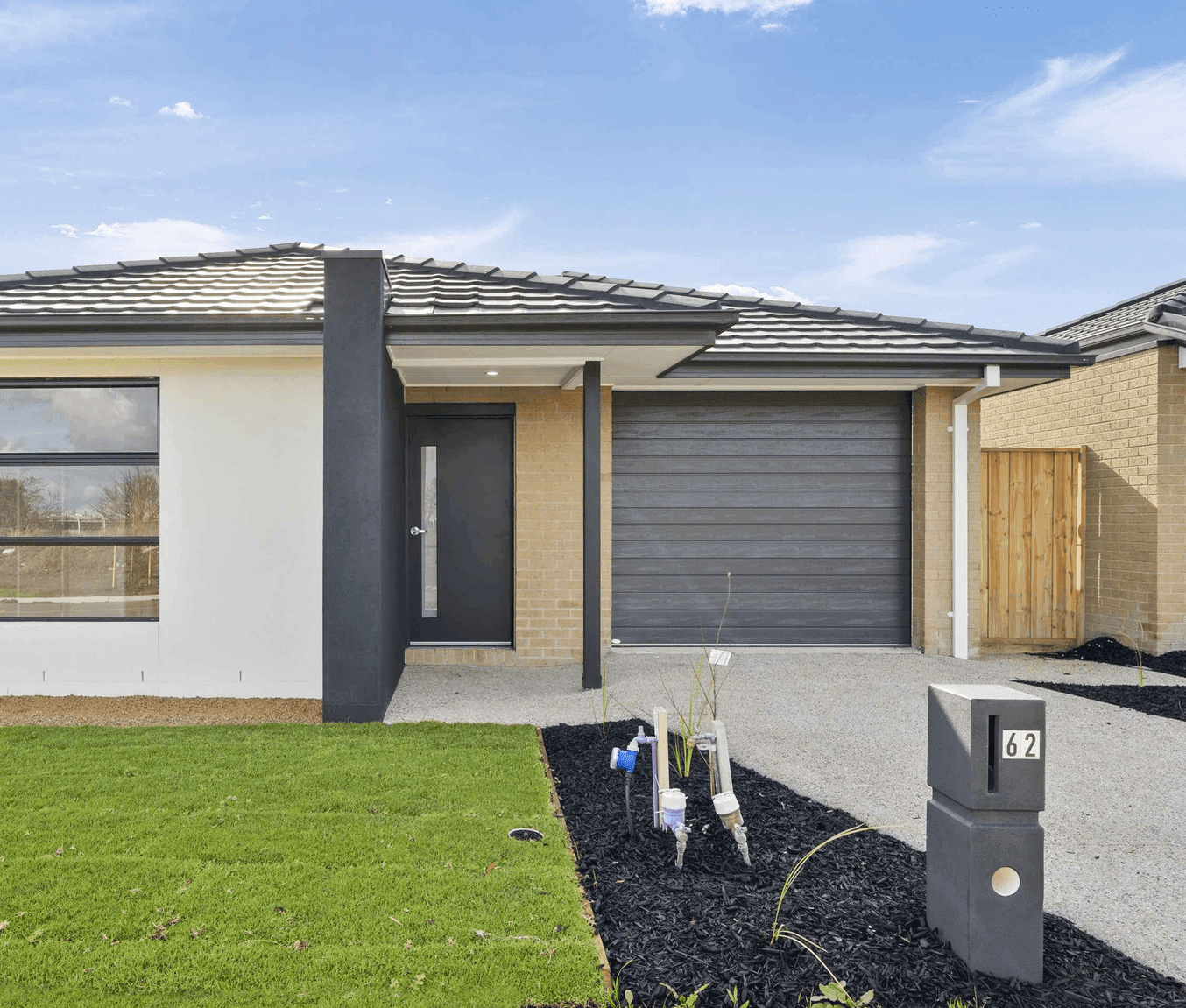
- Robust housing options — including Robust-design SDA where funded, in our supported accommodation
Our approach
Risk-informed doesn’t mean risk-averse. We support participants to rebuild everyday life — skills, community connection, stable housing — with honest, well-documented risk planning and onboarding that involves the full care team before day one.
Good to know: we accept forensic referrals where we have the right staffing, oversight and environment in place — and we’ll tell you plainly when we don’t.
Working with a forensic participant?
Talk to our intake team about the support environment, staffing and risk planning we’d put in place.